
The GLBRC Postdoc Experience
In addition to producing hundreds of discoveries and scientific advances, the Great Lakes Bioenergy Research Center has trained hundreds of scientists who have gone on to careers in industry, academia, government, and nonprofit sectors. Here we talk with a few of the center’s 342-plus postdoctoral alumni about their experience in the center and how it has guided them on their career paths.
Alumni profiles
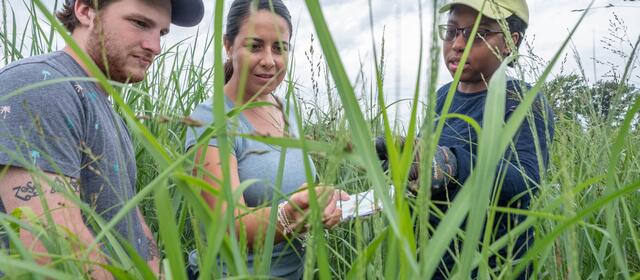
Carolina (Caro) Córdova is an assistant professor of agronomy and horticulture at the University of Nebraska–Lincoln and a statewide soil health specialist with UNL Extension. With a PhD in soil science from Iowa State University, Córdova was a postdoctoral researcher and field research coordinator with GLBRC from 2018 to 2022.

Now a senior research manager for the animal genetics firm Genus, Brian Burger joined GLBRC in 2009 after earning a PhD in biology from the University of California-San Diego. Burger spent about 8 years at the center, first as a postdoctoral researcher and later as a staff scientist.
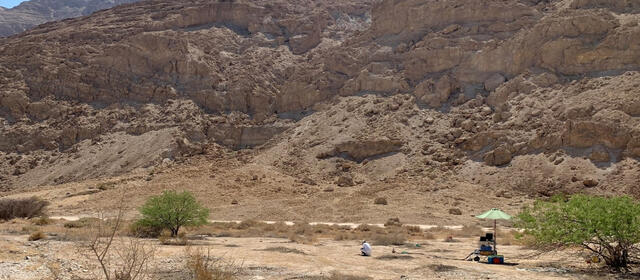
As a postdoctoral researcher in Phil Robertson’s lab at Michigan State University, Ilya Gelfand's research led to a 2013 Nature paper highlighting the potential for growing cellulosic bioenergy crops on marginal farmland. Gelfand is now an associate professor at Ben-Gurion University of the Negev in Israel, where he studies biogeochemistry and ecosystem ecology.
With a doctorate in biophysics and more than a decade of experience in career and professional development, Alexandra Schnoes is uniquely qualified as workforce development manager at the Great Lakes Bioenergy Research Center. Here she discusses her career path and her vision for recruiting and training the next generation of scientists.
Postdoc profiles
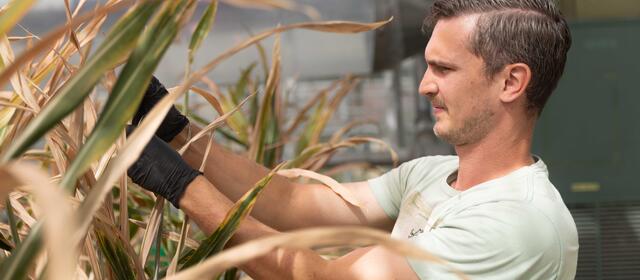
Samuel Chagas is a postdoctoral researcher in Rebecca Smith’s lab, where he studies the composition of plant cell walls in sorghum and corn to develop crops that are easier to digest, whether for biofuel or animal feed.
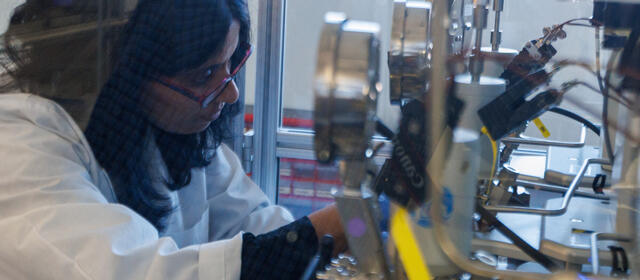
Sarada Sripada is a postdoctoral researcher working in the Sener lab. She studies reductive catalytic fractionation (RCF) with the goal of deconstructing lignin, the woody part of plant cells, into smaller molecules that microbes can convert into valuable products such as PDC, a chemical that can be used to make bioplastics.
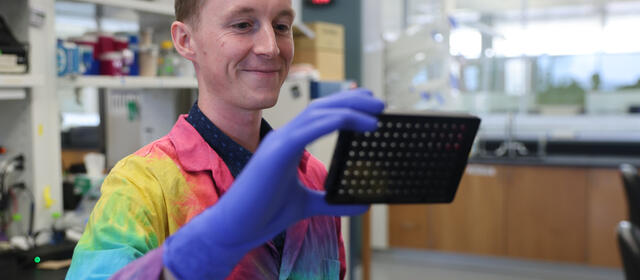
As a postdoctoral researcher in the Hittinger Lab, John Crandall researches yeast species that produce lipids, fatty compounds that could serve as platforms for alternatives to fossil fuels and other resource-intensive products.
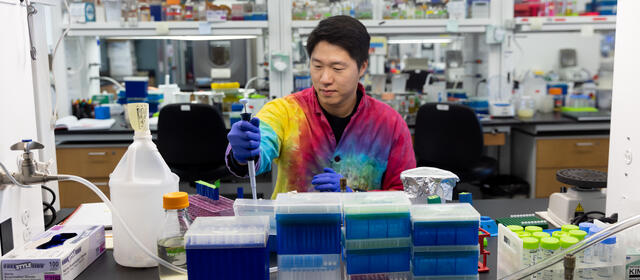
From early childhood, Harrison Moon was fascinated by the natural world, and this fascination eventually steered him towards a career in plant pathology. Currently, he is a postdoctoral researcher in the Hittinger Lab at the University of Wisconsin–Madison.
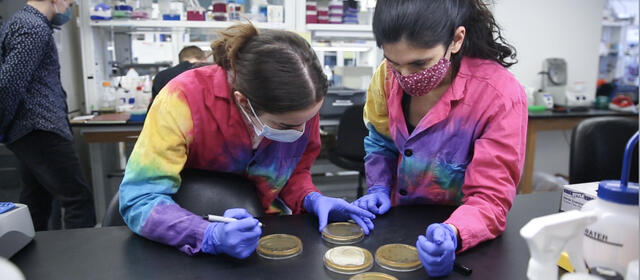
Linda Horianopoulos, a postdoctoral researcher who studies the metabolic diversity of yeasts in the Hittinger Lab at the University of Wisconsin-Madison, was born and raised in the small town of Kitimat, British Columbia. Read on to learn how an early interest in math and science led her to study at one of the top universities in Canada before eventually heading south for Madison.
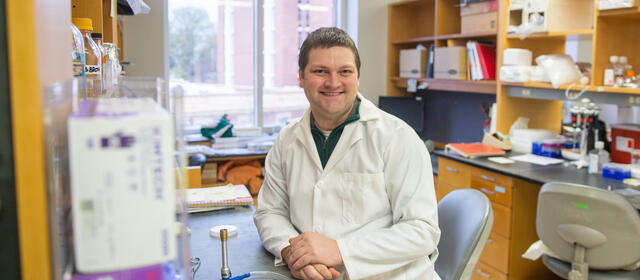
Today we spoke with Daniel Parrell, a postdoctoral research associate in the Wright Lab working with cryo-electron microscopy and cryo-electron tomography. He received his undergraduate degree in microbiology from the University of Wisconsin–Madison and his PhD in microbiology and molecular genetics at Michigan State University (MSU). He provides insight on his work and what it’s like to be a postdoctoral researcher.
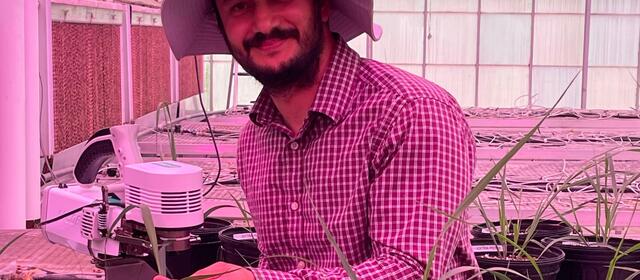
Binod Basyal is a post-doctoral Research Associate at the Department of Energy Plant Research Lab within the Great Lakes Bioenergy Research Center at Michigan State University. He tells us about his research, his background and the importance of optimism in solving complex problems.
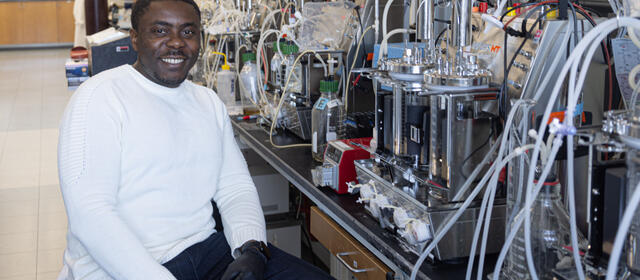
Today we spoke with Blaise Manga Enuh, a postdoc in the Noguera Lab studying microbial genomics and systems biology. He got his Ph.D in biotechnology and biosafety at Eskisehir Osmangazi Üniversitesi in Turkey. He provides insight on the importance of his research, the role it plays in achieving the goals of the GLBRC, and what inspires his work.
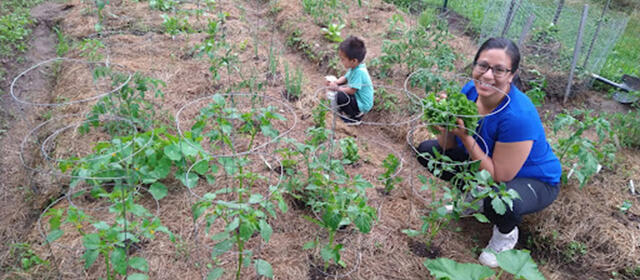
Today we spoke to Violeta Matus Acuña, a postdoctoral researcher in the Soil Biology and Ecology Lab with Dr. Lisa Tiemann at Michigan State University. She provides insight on the importance of resilience, relearning, and diversity.
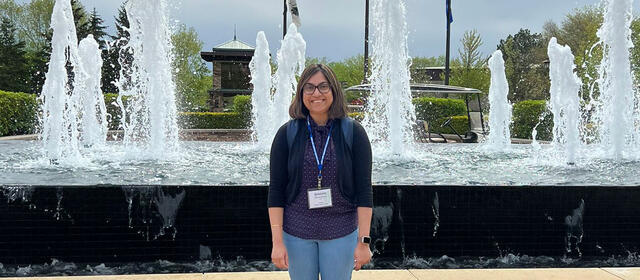
This week, we sat down with Sreejata Bandopadhyay, a postdoctoral researcher in Ashley Shade’s lab at Michigan State University, and asked about her academic path, her interest in microbiome resilience, and the importance of her research for crop system management.