
GLBRC alumni profile: Brian Burger
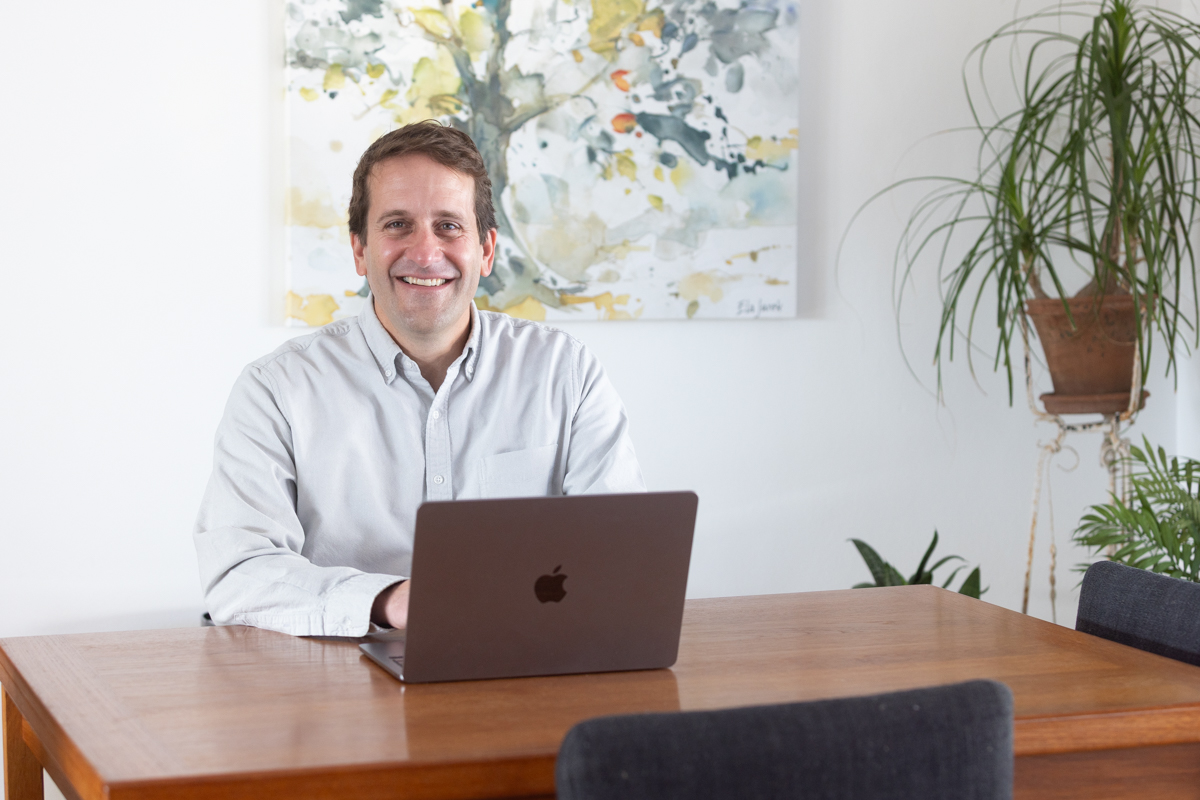
Now a senior research manager for the animal genetics firm Genus, Brian Burger joined GLBRC in 2009 after earning a PhD in biology from the University of California-San Diego. Burger spent about eight years at GBRC, working with the Donohue and Noguera labs as a postdoctoral researcher and later a staff scientist.
How did you end up at GLBRC?
I was a plant guy. I knew of (GLBRC director) Tim Donohue because he and my PhD advisor trained together, and I was looking to move into microbial-bacterial systems. I wanted to try something different. Biofuel was up and coming – or was getting a lot of press at that time. I came across GLBRC and recognized Tim, so applied and joined that fall.
What projects did you work on here?
The thing that I worked on the most was a transposon sequencing project — using transposons to identify essential genes in Rhodobacter. That was a technology that the center didn’t have at the time. I brought it in and got it up and running. Since then it’s been expanded to other species.
What is your current role?
I'm a senior research manager at Genus in DeForest, just just up the road, and am part of the gene editing group. Genus is a global company. We have two business units. We have a porcine genetics business unit and then we have a beef and dairy cattle business unit that's headquartered here in DeForest. I work in the R&D group and we support efforts in both of those business units to develop differentiated genetics — in other words, to improve genetics.
I work primarily on disease resistance, so developing disease resistant animals. We published a paper in 2024 about our development of a PRRS resistant pig. PRRS is a big problem in the pig industry, and we used gene editing to develop a pig that’s resistant to the PRRS virus, and we got FDA approval to commercialize those pigs last year.
I manage a small group of scientists. I'm not at the bench much these days, so I do miss it. But every once in a while I get back there.
So you’ve gone from plants to microbes to animals. What’s the common thread?
On the lab side probably molecular biology and genetics. I was hired at Genus because I had a strong molecular biology background that I developed in graduate school and in Tim’s lab, working on that transposon sequencing project. That was a lot of next-generation sequencing and large data sets. When I started here I worked on projects that needed assistance in that area.
I guess the other thread is that I really like having work that applies to something practical. I like GLBRC’s mission — and Genus has a similar mission — trying to develop better genetics to nourish the world in a sustainable manner. When I worked in the plant world too, I worked on improving yield in corn and then I worked on how plants sense light in Arabidopsis, which has applications for increasing row crop density for example. There was always kind of that application in mind for improving health, improving nutrition, improving sustainability.
How did your time at GLBRC influence your career choices?
I made that transition from plants to bacteria. That can be a challenge, moving into a new system like that. Being able to do that at GLBRC gave me confidence that I’d be able to do that again, moving into mammalian systems here. So that was really nice.
The kind of work we did at GLBRC — using large data sets, a lot of Illumina sequencing — was really impactful in allowing me to transition to similar projects here.

The other thing would be the way that we worked at GLBRC. We worked closely with different groups and with scientists with different skill sets. We worked with people in Dan Noguera’s lab on metabolic modeling, and we had people in Tim’s lab who were very skilled at coding or bioinformatics work. Being able to work with different groups and different people with different skill sets really helped me here, because we work in a similar fashion. Being able to work with those groups allows us to do things quicker and be really effective towards our goal.
Did your experience at GLBRC shape the way you approach research questions?
It’s a little different in industry. In Tim’s lab, even though we had a goal in mind, there was a lot of white space, and a lot of opportunity for us to innovate and come up with new techniques. For example, bringing in the transposon sequencing technique was a new thing. Here it’s a little more focused. We’re really more interested in products. But that collaborative way of doing science that is the way that GLBRC works, or works best — and the way that we did it in the Donohue lab — is probably the biggest thing. In PhD programs, you’re often kind of head down, really carving out space for yourself, and so being able to collaborate with scientists, I think, was really helpful in moving to industry.
What advice would you give to a recent graduate who’s looking for a postdoc opportunity?
Find something that excites you, right? It's a good time to step outside of whatever field you’ve been in and find something that’s different and something that’s exciting. I think that can really carry you through that difficult phase of transitioning into a new field. Talk to lots of people. Something like the GLBRC is great because you really get exposure to a lot of different disciplines and different people. So for me, that was great. The more people you know, the more new ideas you come in contact with, and that can shape how you think and where you end up.
What’s something that you wish you had known when you came out of grad school?
Try lots of stuff. Don’t be afraid to try new things. You’ll try some things and they may not work, and that's okay. I think that’s part of the process. See what’s out there. See what gets you going.