

Lignin is a key obstacle to extracting sugars from biomass. Researchers have redesigned lignin to include weak bonds, or “zips,” which make it much easier to break apart. Credit: Shawn Mansfield, UBC
Who We Are
The Great Lakes Bioenergy Research Center (GLBRC) is a U.S. Department of Energy-funded Bioenergy Research Center led by the University of Wisconsin–Madison. With Michigan State University and other partners, we are developing sustainable biofuels and bioproducts made from dedicated energy crops grown on marginal lands. Our mission is simple: creating biofuels and bioproducts that are economically viable and environmentally sustainable.
Research Themes
Sustainable cropping systems
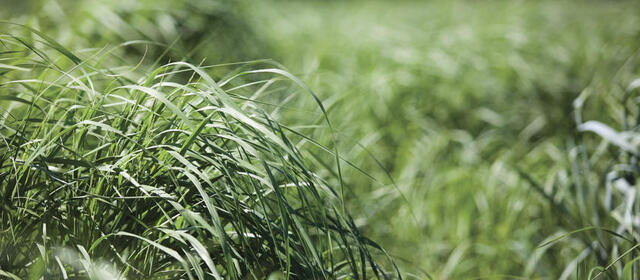
Engineering bioenergy crops to enhance their environmental and economic value
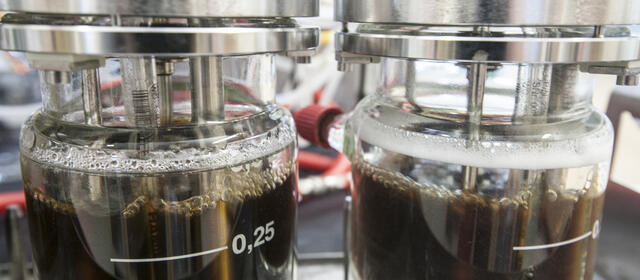
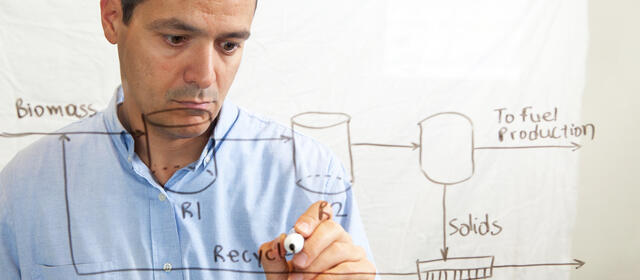
GLBRC News
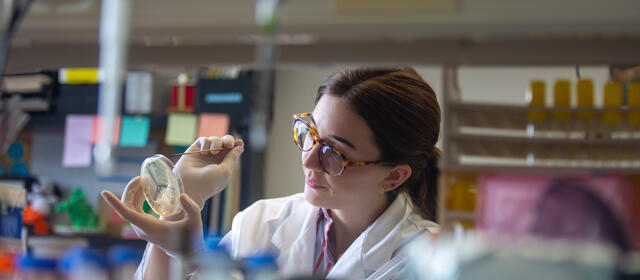
Bailey Marshall, a PhD candidate in cellular and molecular biology, works in Robert Landick’s lab, where she studies genetic engineering of bacteria for better biofuel production.
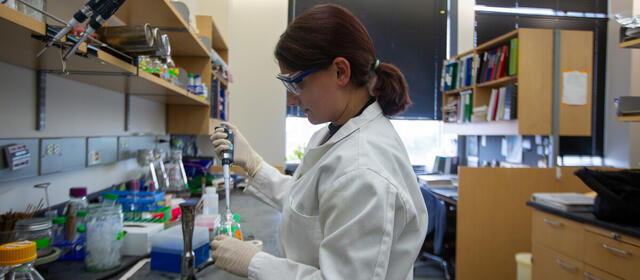
Fourth-year PhD student Rose Lizzo studies proteins that regulate production of enzymes that enable a bacterium called Zymomonas mobilis to turn plant sugars into sustainable fuels and chemicals.